Another issue I have struggled with in this disease process is apathy. It is part of my disease, and I am taking meds to help me control it. If you let it, apathy will keep you at home sitting in a chair waiting to die. Which will then probably accelerate your disease by you doing nothing. One thing, among many that both my neurologist and my therapist agree on, is the need for me to socialize and cut through the apathy. I am not inclined to do that on my own because I can’t think quickly. I get confused if two or more people are talking, etc. As I recall, I think my therapist suggested that I accept the fact that I will be having some degree of apathy and fatigue throughout, and I should embrace it, while doing what I can to decrease it or slow it down, in part by socializing.
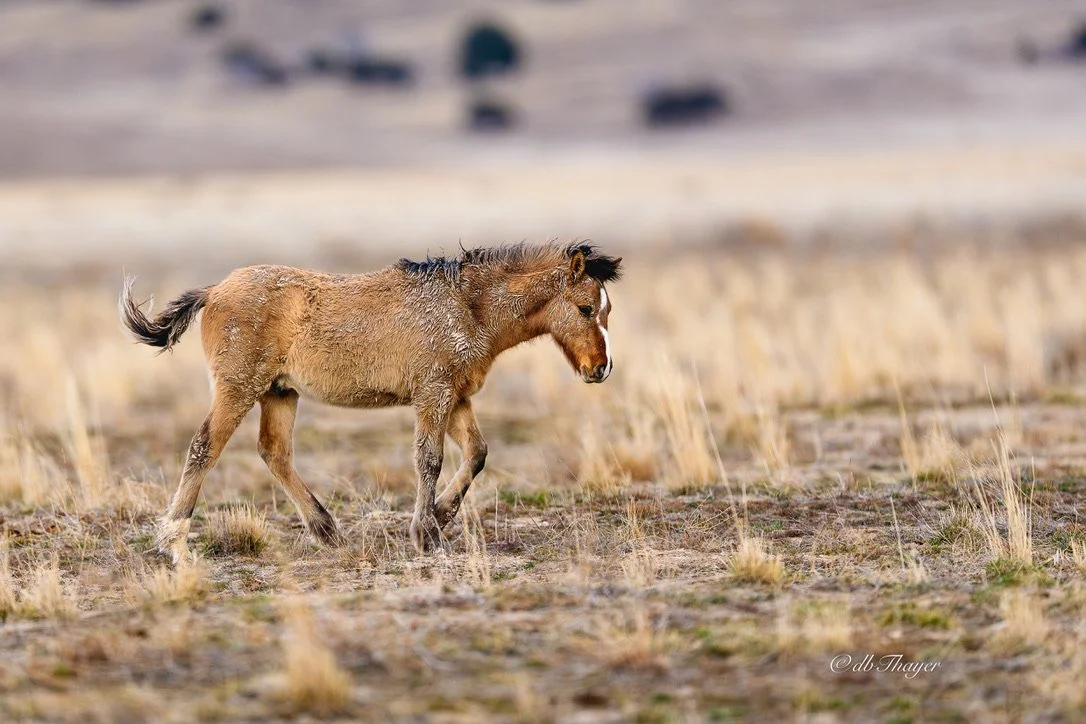
This image of a young Onaqui horse was shot in 2025. To me it evokes a strong sense of loneliness. It is like it was left on its own and it has no friends. If we voluntarily withdraw from our figurative herds, we will end up much worse than this lonely looking young horse.
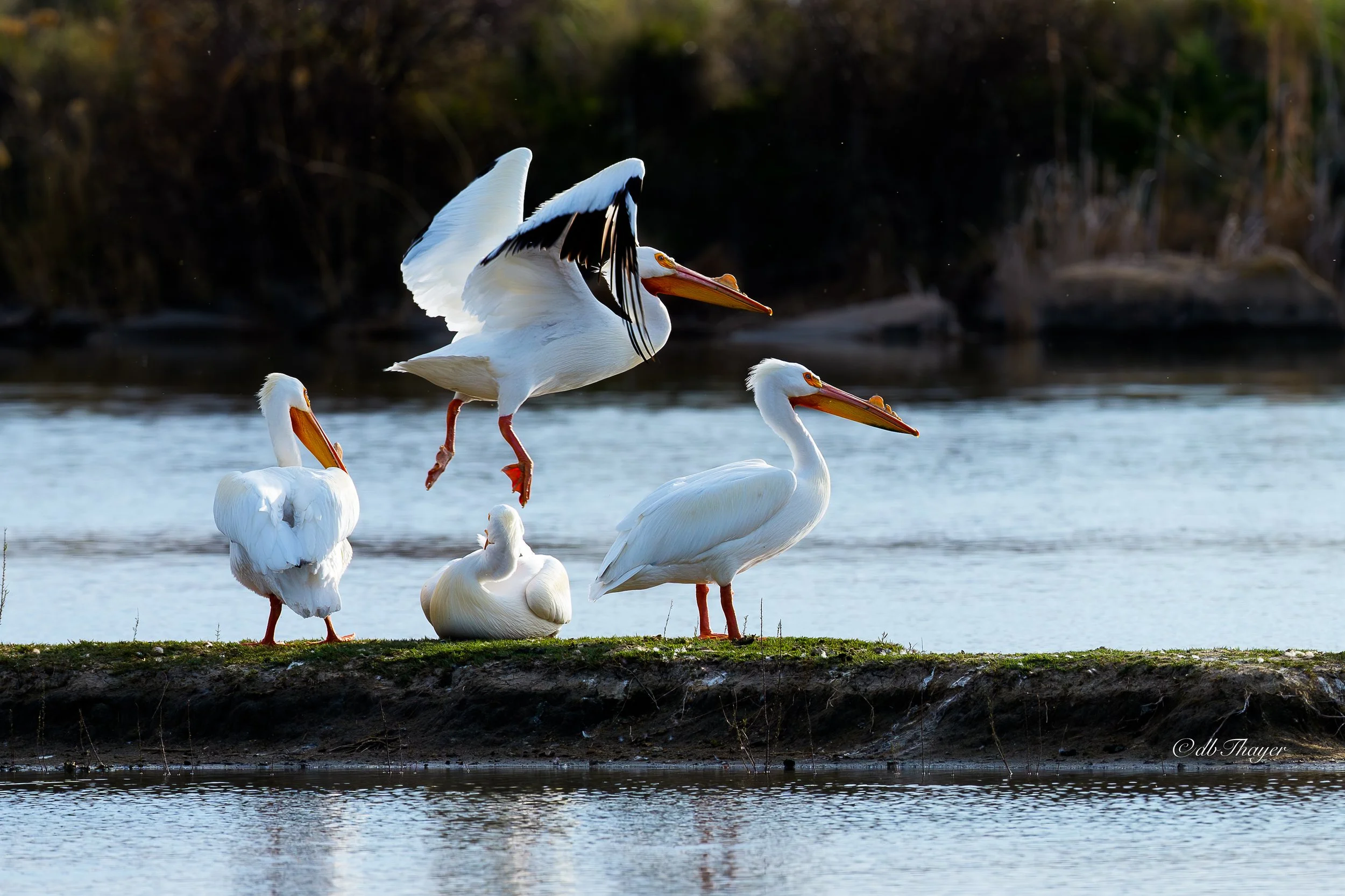
This photo of Great American white pelicans was taken in 2026 at Farmington Bay. They typically pair up with other pelicans for a breeding season and until their chicks fledge. Some other types of birds mate for life. Whether seasonally monogamous or lifetime monogamous, birds and many animals help raise young ones. The flock or the herd is a means where they can protect themselves as well as their chicks/babies. Without making them seem like they are people, it appears they seem to enjoy each others company. Their conduct can help us see how much we need the figurative herd or the flock in our own lives.