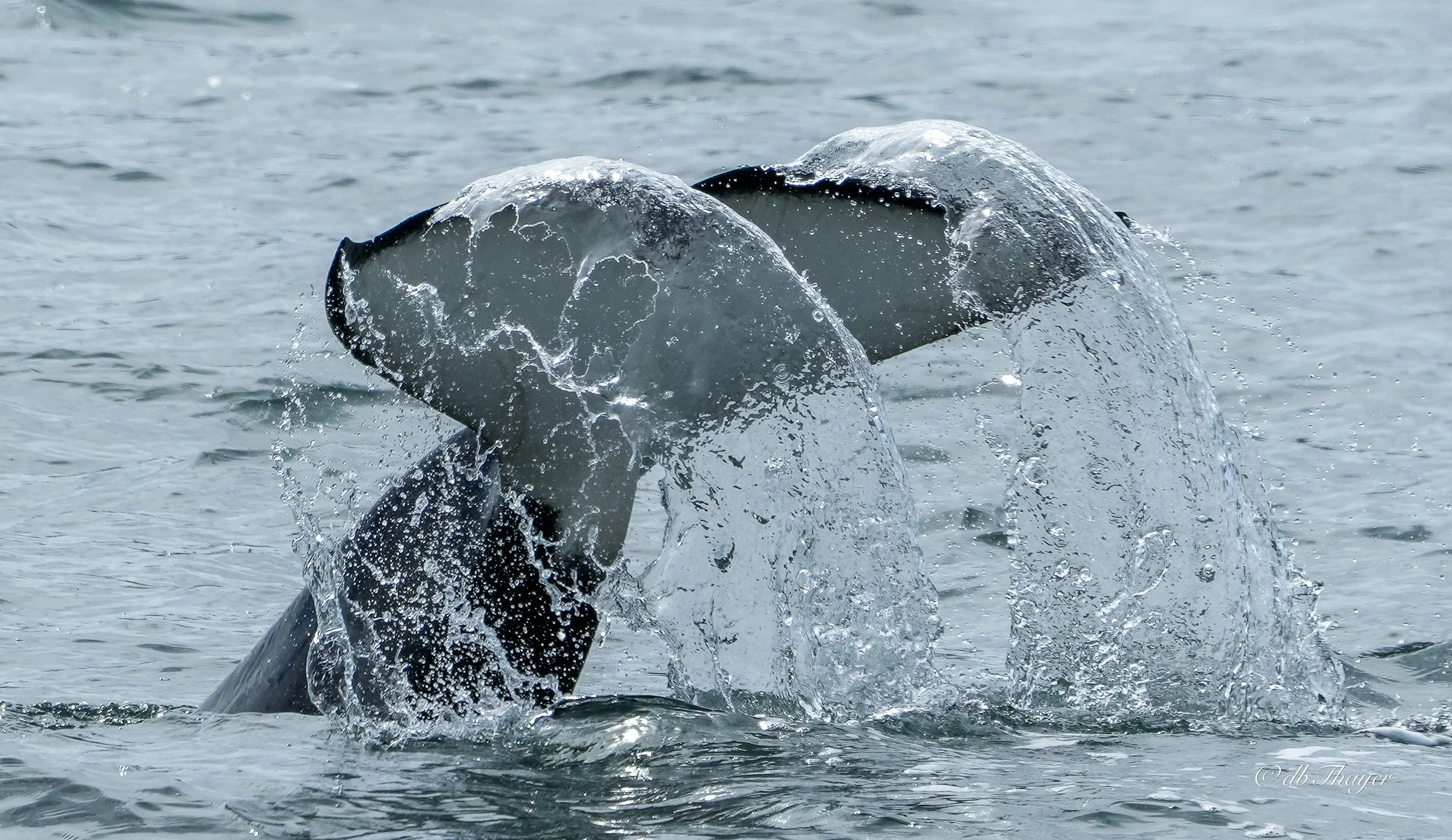
This image was captured off the Alaska coast in July of 2025, it is the tail of a killer whale starting a dive. The water from his tail is frozen in time and almost looks like a wall of ice. These whales are feared by most aquatic animals, as well as by people. However I believe that part of their beauty is captured in this image. Likewise, some of our greatest fears, if viewed from a positive perspective of faith and hope, can help us see the beauty that can come even in the midst of our feared diseases.
As I continue with my story, I am going to share a few things that have happened to me, that illustrate what you might be going through or might yet go through on your journey, and the reality of what that feels like at times. I will also share the beauty within this whole experience. While I am going to try to lay these out in chronological order, I might confuse the order in which they took place.
If you have early-stage dementia, one thing you will hear if you haven’t already, is the phrase “you don’t look sick.” People cannot generally see the symptoms that come in the early stages such as loss of executive function, inability to think clearly, general confusion, fatigue, anxiety, etc. We as humans, can get awfully good at compensating or masking our perceived or real deficiencies. It has, at times, been frustrating when internally I am a mess but because I can hold simple conversations people think I am doing fine. It is difficult to share and talk with others about what you are going through when they can’t see it or don’t believe it.
In part, this was what was also one of the factors that caused me to start cognitive behavioral therapy with a very competent therapist at the University of Utah. She is a part of my “care team.” (I highly recommend that you get a care team in place.) Therapy has allowed me to vent my frustrations, my fears, etc., to someone who has extensive experience with older people going through cognitive issues involving life-limiting diseases. At first, I started sharing everything with my wife, but then I realized what a burden I was putting on her. She is the one who will be watching and living with this process to the end and I finally realized it was not fair to burden her now as well.
Don’t get me wrong, my wife and I talk about my disease and my symptoms, but I use my therapist to discuss some of the more depressing symptoms, fears, etc., so as not to overburden my wife. I am confident it will be different for each of you, but I believe it is critical you find someone with whom you can share what you are going through. I believe it would be even more helpful to do that with someone who knows your disease and it’s symptoms and the process. That is also a factor that motivated me to build this website.